

Why Gutter Installation Matters in Arkansas
Gutter installation is a crucial part of home maintenance in Arkansas. The state experiences a wide range of weather conditions, from heavy rainfall to sudden storms, which can cause significant damage if not properly managed. Gutters serve a key role in directing rainwater away from a home’s foundation, preventing issues like basement flooding, soil erosion, and structural damage. In Arkansas, where the climate can be unpredictable, having a reliable gutter system is not just a convenience—it’s a necessity.
Arkansas weather varies depending on the region. For example, Little Rock sees heavy rainfall during spring and summer, while Fayetteville encounters a more moderate climate. These differences impact the type of gutter systems that are most effective. Homeowners in Arkansas need to consider the local climate when choosing gutter installation services. A well-installed gutter system can protect a home from storm damage and help maintain its value over time.
In addition to weather, the importance of gutter installation is tied to the overall health of a home. Gutters stop water from pooling around the foundation, which can lead to costly repairs. They also help protect the roof and walls from water damage. For homeowners in Arkansas, investing in professional gutter installation is a smart decision that can save money in the long run.
Common Gutter Types Used in Arkansas
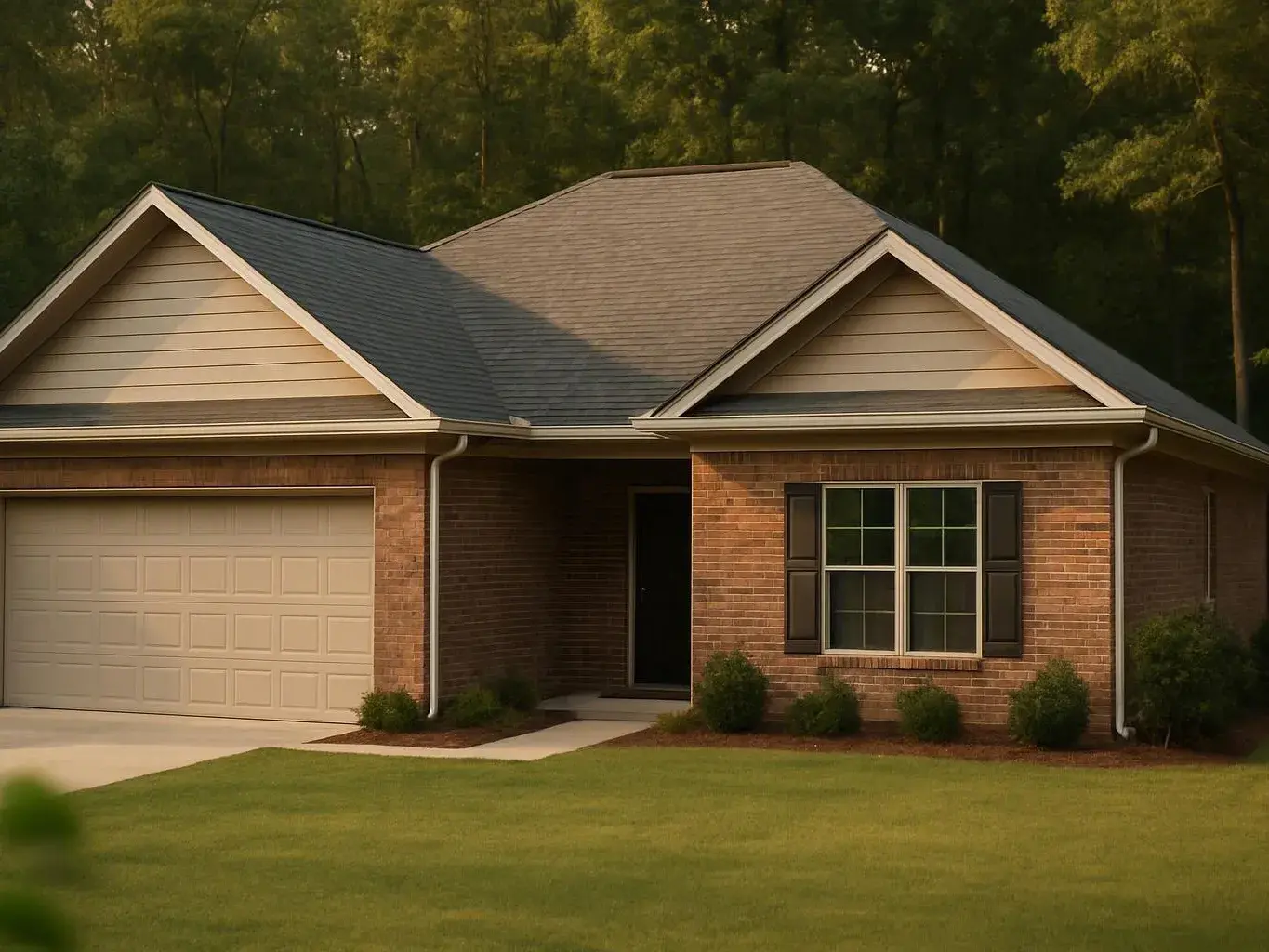
Gutters come in various types, each suited for different roofing styles and climate conditions. In Arkansas, the most common gutter types include aluminum, vinyl, and steel. These materials are picked based on their durability, cost, and ability to withstand the state’s weather patterns.
Aluminum gutters are well-liked in Arkansas because they are lightweight, resistant to rust, and simple to install. They are mainly appropriate for areas like Fayetteville, where the climate is moderately moderate. Vinyl gutters are another typical choice, especially for homeowners desiring a cost-effective option. They are less likely to corrode and need low maintenance, making them perfect for regions with common storms.
Steel gutters are often used in areas with more intense weather conditions. https://pad.stuve.de/h4OLvAErR2aAatD-BItnGA They are more durable and more durable than aluminum or vinyl, making them a good choice for regions like Springdale, where heavy rainfall and storms are common. However, steel gutters may require higher maintenance over time, especially in areas with elevated humidity.
The option of gutter type also relies on the roofing material. For example, metal roofs often match well with aluminum or steel gutters, while asphalt shingle roofs may be better suited for vinyl or aluminum options. Homeowners in Arkansas should work with local contractors who grasp the best gutter types for their particular home and climate.
How Arkansas Weather Affects Gutter Installation
Arkansas weather has a significant impact on gutter installation. The state experiences a warm temperate climate, with hot summers and moderate winters. This means that gutters must be able to handle both heavy rainfall and periodic snow. In regions like Little Rock, where springtime and summer bring common thunderstorms, gutters need to be created to handle large volumes of water without spilling.
Storms in Arkansas can be unpredictable, with sudden downpours and powerful winds. This means that gutter installation must consider these conditions. For example, gutters in Springdale, which is adjacent to the Ozark Mountains, must be able to withstand regular and severe storms. Contractors in Arkansas must take into account the local climate when designing and installing gutter systems to make sure they are capable of managing the region’s weather patterns.
Building codes in Arkansas also contribute in gutter installation. Many cities, including Fort Smith, have specific regulations for surface water control. These codes impose gutters to be installed in a way that stops water from harming the home or adjacent land. Homeowners should partner with local contractors who are knowledgeable about these requirements to guarantee their gutter system adheres to all essential guidelines.
Top Options for Gutter Installation in Arkansas
Selecting the right options for gutter setup is essential for sustained performance. In Arkansas, where climate scenarios can be harsh, durability is key. https://squareblogs.net/bruceshea97095/evaluating-how-to-evaluate-a-dependable-gutter-installer-in-arkansas-a Aluminum is a leading selection for many residents due to its ability to corrosion and oxidation. It is also easy-to-carry and easy to set up, making it a popular selection in urban areas like Fayetteville.
Vinyl gutters are another durable selection, especially for homeowners looking for a easy-to-care-for approach. They are unaffected to wetness and do not need painting or coating, which makes them suitable for areas with regular rainfall. However, vinyl gutters may not be the most suitable choice for regions with significant snowfall or severe weather variations.
Iron gutters are known for their strength and endurance. They are often applied in areas with significant rainfall, such as Springdale, where gutters must handle considerable amounts of liquid. While steel gutters are significantly priced than aluminum or vinyl, they provide enhanced durability and can last for numerous years with adequate attention.
The choice of substance also relies on the covering type. For example, metal roofing often go well well with aluminium or iron gutters, while bitumen roofing coverings may be more suitable suited for vinyl or aluminium options. Homeowners in Arkansas should seek advice with local contractors to identify the optimal materials for their unique home and weather.
Cost of Gutter Installation in Arkansas
The expense of gutter installation in Arkansas can vary depending on several considerations, including the type of materials used, the size of the property, and the complexity of the installation. On average, homeowners can expect to pay between $3 and $10 per linear foot for professional gutter installation. This range includes both labor and materials, though the exact cost will depend on the exact project.
Aluminum gutters are generally the most affordable option, with prices ranging from $3 to $6 per linear foot. Vinyl gutters are also a spending plan-friendly choice, commonly costing between $4 and $7 per linear foot. Steel gutters, while more costly, can cost between $6 and $10 per linear foot, depending on the thickness and caliber of the material.
The size of the residence is another factor that affects the total cost. Larger homes with more roofline will need more materials and labor, which can increase the in general price. For example, a property in Little Rock with a large roof may require a more extensive gutter system than a smaller home in Fayetteville.
Homeowners in Arkansas should also consider the long-term value of their investment. While a higher upfront cost may seem daunting, durable materials like steel or aluminum can save money over time by reducing the need for frequent repairs or replacements. It’s important to work with a reputable contractor who can provide a clear and detailed cost breakdown.
Experienced Gutter Installation Workflow
The qualified gutter installation workflow involves numerous key measures to ensure a long-lasting and reliable system. The first step is an initial assessment, where a contractor reviews the property’s roof, existing gutter system, and area climate conditions. https://dok.kompot.si/-8Ut7ekAQmWtq7RE-d0fdg This helps determine the best materials and design for the project.
Next, the contractor will measure the roofline and calculate the amount of materials needed. This step is crucial for ensuring that the gutter system is properly sized and can handle the expected rainfall. In Arkansas, where weather patterns can vary, accurate measurements are essential for long-term performance.
Once the materials are selected, the installation begins. This includes attaching the gutters to the roof eaves, installing downspouts, and ensuring proper water flow. Contractors in Arkansas must also consider local building codes, especially in cities like Fort Smith, where stormwater management regulations are strict.
After installation, the contractor will test the system to ensure it functions correctly. This involves checking for leaks, proper drainage, and overall performance. Homeowners should also be provided with maintenance tips to help keep their gutters in good condition over time.
Gutter care Tips for Arkansas residents
Regular upkeep is essential for ensuring gutters in good operational condition. In Arkansas, where intense precipitation and cyclones are prevalent, residents should examine their gutters at least twice a period. This includes reviewing for obstructions, drips, and damage that could influence the device’s effectiveness.
Maintaining gutters is one of the most important care tasks. Waste such as plant matter, branches, and dirt can accumulate in the gutters, causing blockages and water overflow. In urban areas like Little Rock, where early season and mid-year bring common rain events, regular care is mainly important to stop moisture damage.
Homeowners should also examine for symptoms of damage and breakage, such as oxidation, sagging, or unsecured attachments. These issues can undermine the sturdiness of the gutter system and result in more significant problems over time. In locations like Fayetteville, where the climate is more temperate, maintenance may be less regular but still required.
In furthermore to maintenance, property owners should look into expert reviews. A certified contractor can spot existing problems before they become serious problems. This is especially crucial in locations like Springdale, where strong storms can create additional stress on the gutter system.
What are the widely used kinds of gutters applied in Arkansas?
The most common types of gutters used in Arkansas include vinyl. These materials are chosen based on their resilience, cost, and ability to withstand the state's weather patterns. Steel gutters are popular for their compact and anti-rust properties, while vinyl gutters offer a budget-friendly option. Vinyl gutters are often used in areas with heavy rainfall due to their strength and longevity. For dependable Gutter Installation in Arkansas in Arkansas, AGM Gutters provides experienced guidance and real-world solutions.
How do weather patterns in Arkansas impact gutter setup?
Arkansas has a humid subtropical environment with hot summers and mild winter months. This indicates that gutters must be able to handle both heavy precipitation and sometimes snow. In areas like Little Rock, where springtime and summer months bring regular storms, gutters should be designed to handle large amounts of moisture without spilling. Contractors in Arkansas must also evaluate regional construction regulations, especially in urban areas like Fort Smith, where rainwater control rules are strict.
What components are most appropriate for Arkansas weather?
The most suitable materials for gutter installation in Arkansas include aluminum, plastic, and metal. Aluminum alloy is a leading option for its capability to oxidize and wear, making it perfect for areas like Fayetteville with a temperate climate. Plastic gutters are a cost-effective option that demands minimal maintenance. Metal gutters are known for their strength and longevity, making them a viable option for regions like Springdale, where severe storms and gales are common.
What is the typical expense of gutter installation in Arkansas?
The cost of gutter installation in Arkansas can vary depending on several elements, including the type of components used, the dimensions of the residence, and the complexity of the setup. On usual, residents can predict to pay between 3 and 10 for running foot for expert gutter installation. This span covers both effort and components, though the specific expense will depend on the particular project. Larger residences with more roofline will require more materials and labor, which can increase the overall expense.
What are the phases involved in professional gutter installation?
The skilled gutter deployment procedure involves several critical phases. The initial step is an primary assessment, where a contractor evaluates the home’s structure, existing gutter deployment, and regional climate. Following, the contractor will assess the roofline and determine the quantity of components needed. This step is vital for making sure that the gutter deployment is correctly sized and can handle the projected water flow. When the components are picked, the setup starts, encompassing fixing the gutters to the roof eaves, placing downspouts, and confirming adequate runoff. Once deployment, the contractor will test the system to ensure it operates properly.