

Understanding Gutter Installation in Arkansas
Gutter setup is a crucial part of residential upgrades, especially for property owners in Arkansas. The process involves establishing a system that channels rainwater away from the ground level of a house, stopping water damage. For many homeowners, the idea of installing gutters independently is desirable, as it can reduce expenses and provide a feeling of achievement. However, it’s vital to understand the local factors that come with gutter installation in Arkansas.
Arkansas faces a humid subtropical weather, with hot summers and mild winters. This climate can lead to significant precipitation, especially in the early season and summer period times. As a result, gutters in Arkansas must be constructed to deal with significant amounts of precipitation properly. A property owner who is considering a DIY gutter configuration should be aware of the local weather patterns and how they affect the performance of the setup.
The word "DIY" is commonly applied in the setting of home improvement tasks, and gutter setup is no different. While it is feasible for a homeowner to install gutters themselves, it requires careful organization, the appropriate instruments, and an knowledge of the local building codes. In Arkansas, these codes can differ by municipality, so it’s vital to verify with area authorities before starting any setup.
Common Gutter variants Used in Arkansas
When it comes to gutter installation in Arkansas, there are several varieties of gutters that homeowners can select. The widely used varieties include metal gutters. Each kind has its own benefits and disadvantages, and the best selection depends on the exact needs of the homeowner and the area climate.
Aluminium gutters are a common choice in Arkansas due to their easy-to-handle quality and ability to corrosion. https://rentry.co/qy6s3ovp They are also fairly straightforward to mount, making them a good choice for Handyman tasks. Metal gutters, on the other hand, are considerably robust and can endure intense rainfall, but they are heavier and may require professional mounting. Vinyl gutters are another choice, famous for their cost-effectiveness and convenience of maintenance. However, they may not be equally robust as aluminum or steel gutters in severe weather.
Homeowners in Arkansas should also consider the varieties of gutters that are commonly employed in their region. For example, in cities like Little Rock and Fayetteville, aluminum gutters are frequently chosen due to their capacity to manage the area’s common downpours. In areas with higher extreme environment, iron gutters may be a more suitable choice. Comprehending the area trends and conditions can assist homeowners make an informed option about the kind of gutters that will work best for their house.
How Arkansas Weather Affects Gutter Installation
The weather in Arkansas plays a important role in the success of gutter installation. The state faces a selection of weather scenarios throughout the year, from intense rain to occasional thunderstorms. These conditions can influence the operation of gutters and the general effectiveness of the installation.
One of the key concerns for homeowners in Arkansas is the potential for intense rain. During the early season and summer months, the state can see major quantities of rain, which can burden badly installed gutters. This is why it’s crucial to choose the correct type of gutter and make sure that it is placed accurately. In areas like Little Rock, where rainfall is greater frequent, homeowners may have to install gutters with a bigger size to deal with the amount of water.
Another aspect to consider is the climate in Arkansas. The state has a moist and warm climate, which indicates that it can be very hot and damp for a large portion of the time. This might result to issues with mold and dampness if gutters are without proper cared for. Homeowners need to also be aware of the potential for frozen blocks in the freezing period, which can cause harm to the covering and gutters. While ice dams are not as frequent in Arkansas compared to northern areas, they can yet occur in particular places, especially in the higher regions.
In addition to these elements, the weather in Arkansas can also influence the installation procedure itself. For instance, setting up gutters during a period of intense precipitation can result in the job harder and increase the chance of mistakes. Homeowners should schedule their setup during a moment when the climate is suitable and the situations are appropriate for the job.
Prime Components for Gutter Installation in Arkansas
Selecting the correct supplies for gutter installation in Arkansas is important for ensuring the durability and performance of the system. The supplies used can influence the resilience, maintenance requirements, and general functioning of the gutters. Property owners should consider the regional climate and climate situations when choosing components for their gutter installation.
Aluminum Gutters in Arkansas
Lightweight gutters are a popular option for property owners in Arkansas due to their easy-to-handle nature and resistance to rust. They are also fairly simple to install, producing them a excellent option for Do-it-yourself endeavors. Aluminum gutters are found in a variety of tones and designs, permitting property owners to choose a style that goes with their home.
One of the essential advantages of aluminum gutters is their durability in the Arkansas weather. The region’s frequent rainfall and high dampness can result to degradation and degradation in some components, but metallic is protected to these problems. This results in it a dependable choice for residential owners who seek a long-lasting gutter installation.
However, metallic gutters can be more vulnerable to dents and injury from heavy things, such as branches or trash. Homeowners should remain mindful of this and evaluate installing gutter guards or other protective actions to avoid injury.
Metal and Vinyl Gutters in Arkansas
Iron gutters are another choice for homeowners in Arkansas, known for their sturdiness and sturdiness. They are frequently applied in zones with more extreme weather, as they can endure big precipitation and intense gales. However, steel gutters are heavier than lightweight and may require skilled setup, especially for bigger homes.
Vinyl gutters are a more economical selection and are easy to care for. They are resistant to corrosion and degradation, making them a excellent option for residential owners in zones with high humidity. However, vinyl gutters may not be as sturdy as metallic or iron gutters and can be more vulnerable to fracturing or warping over period.
In Arkansas, the decision of components for gutter mounting should be based on the particular needs of the homeowner and the local environment. Property owners should also consider the price of materials and the potential for future servicing when choosing their decision.
Process to Set Up Gutters independently in Arkansas
Putting In gutters on your own in Arkansas can be a satisfying venture for a residential owner, but it requires thorough layout and meticulous focus. The procedure includes several phases, from assessing and cutting the gutters to attaching them in place and ensuring correct drainage. House owners should adhere to ideal guidelines to secure a positive setup.
The primary procedure in the setup process is to measure the size of the gutters required. This entails assessing the outline of the dwelling and factoring in any angles or barriers. House owners should also evaluate the angle of the ceiling and the inclination of the earth, as these variables can affect the placement of the gutters.
Next, the gutters must be shaped to the correct length. This may be carried out using a cutting tool or a saw machine, depending on the type of content being employed. It’s crucial to produce clean cuts to guarantee a sufficient alignment. Property owners should also examine for any obstructions, such as shrubs or other structures, that may impede the installation.
Once the gutters are shaped, they have to be set up along the perimeter of the property. This involves attaching the gutters to the fascia board using fasteners. The holders should be arranged consistently to give reinforcement and keep sagging. Homeowners should also ensure that the gutters are sloped slightly to enable liquid to flow towards the water pipes.
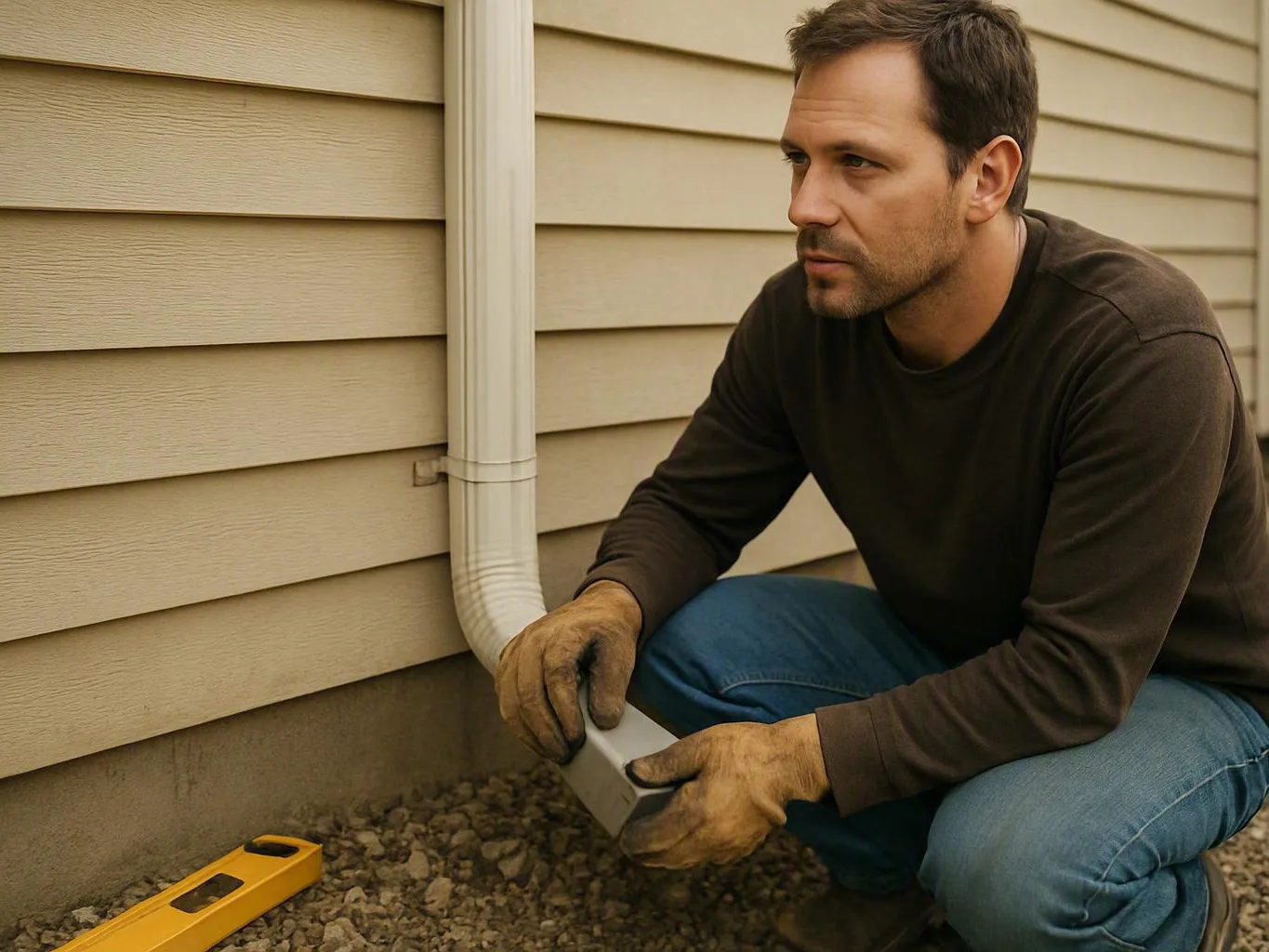
After the gutters are placed, the drain pipes should be linked. This entails attaching the water pipes to the gutters and confirming that they direct moisture distant from the foundation of the residence. Residential owners should also examine for any defects or openings in the structure and make essential adjustments.
Finally, the setup should be tested by running water through the structure to make certain that it functions effectively. This may be carried out by applying a garden water pipe or awaiting real rain. If any challenges are recognized, property owners should resolve them before the subsequent tempest.
Arkansas standards for Gutters
When installing gutters in Arkansas, it’s important to be aware of the local regulations and guidelines. These codes are designed to ensure that gutters are installed correctly and safely, protecting both the home and the surrounding property. Homeowners should check with their local city or county government to understand the specific rules for gutter setup in their area.
In Arkansas, building codes can vary by municipality, so it’s essential to research the regulations in the specific area where the installation will take place. For example, in Little Rock, homeowners must ensure that gutters are installed with a adequate gradient and that downspouts guide water away from the structure. In Fayetteville, additional requirements may apply due to the city’s hilly topography and specific water management requirements.
One of the key features of standards for gutters is the necessity for correct installation. This includes ensuring that gutters are tightly fastened to the house and that they are placed to successfully guide water away from the framework. Homeowners should also be informed of any limitations on the type of supplies that can be employed, as some regions may have particular rules for durability and protection.
Another significant aspect is the demand for licenses. In some instances, homeowners may need to secure a approval before installing gutters, especially if the work involves significant modifications to the framework of the house. This is especially true for bigger properties or those with intricate eaves layouts. Homeowners should consult with regional officials to establish if a permit is needed for their particular project.
In addition, homeowners should also be informed of any area regulations that may impact the setup of gutters. For example, some cities may have limitations on the placement of downspouts to prevent water from running onto neighboring lands. Grasping these standards can assist homeowners avoid potential challenges and guarantee a positive placement.
Indicators Your Gutters need Maintenance in Arkansas
Even the most well-installed gutters can experience problems over time, especially in the varied environment of Arkansas. Homeowners should be informed of the signals that suggest their gutters may need maintenance or maintenance. Noticing these signs sooner can assist avoid more significant issues to the home and minimize the requirement for high repairs.
One of the most common signs that gutters need repair is water pooling around the foundation of the house. This can be a result of clogged gutters, improper slope, or damaged downspouts. In Arkansas, where heavy rainfall is common, it’s essential to ensure that gutters are functioning properly to prevent water from accumulating near the home.
Another sign that gutters may need repair is sagging or separating from the house. This can be caused by a poor support, incorrect installation, or damage from heavy objects. Homeowners should check their gutters often for any signs of bending or detachment, particularly after phases of strong rain or wind.
Cracks or leaks in the gutters are also a clear indication that repairs are needed. These issues can lead to liquid damage to the roof, walls, and foundation of the home. In Arkansas, where the climate can be muggy and wet, it’s important to resolve any leaks promptly to prevent additional harm.
Additionally, property owners should be informed of the presence of fallen material or plant matter in the gutters. While some accumulation is usual, large fallen material can cause obstruction and decreased performance. In areas like Little Rock and Fayetteville, where forests are abundant, frequent cleansing is essential to preserve the function of the gutter setup.
How Often Should Gutters Be Cleaned in Arkansas?
Maintaining clean gutters is essential for the proper functioning of the system, especially in a state like Arkansas, where the climate can lead to frequent rainfall and heavy debris accumulation. Homeowners should understand how often their gutters need to be cleaned to ensure they continue to perform effectively.
In general, gutters should be cleaned at least twice a year, typically in the spring and fall. This schedule helps to remove debris that has accumulated over the previous months and ensures that the system is ready for the upcoming weather conditions. In Arkansas, where the spring and summer months can bring heavy rainfall, cleaning gutters in the spring is particularly important to stop obstructions and water damage.
However, the frequency of cleaning may vary depending on the specific location and environmental factors. For example, homes located near trees or in areas with a lot of foliage may require more frequent cleaning. In cities like Fayetteville, where the terrain can affect water flow, homeowners may need to clean their gutters more often to stop obstructions.
In addition to regular cleaning, homeowners should also be aware of indicators that indicate the need for immediate attention. For instance, if water is overflowing from the gutters during a rainstorm, it may be a sign that the system is clogged and needs to be cleaned. Similarly, if the gutters are drooping or pulling away from the house, it may indicate that they are not functioning properly and require repairs.
Homeowners in Arkansas should also consider the use of gutter guards or covers to minimize the accumulation of debris that enters the system. These can help to increase the interval between cleanings and reduce the risk of clogging. However, even with these measures, regular inspections and cleanings are still important to ensure the system remains in good working condition.
FAQ
What are the most common types of gutters used in Arkansas?
The most common types of gutters used in Arkansas include aluminum, steel, and vinyl gutters. Aluminum gutters are popular due to their lightweight and corrosion resistance, making them well-suited for the state’s humid climate. Steel gutters are recognized for their strength and are often used in areas with more extreme weather conditions. Vinyl gutters are a budget-friendly solution and are simple to care for, though they may not be as durable as aluminum or steel gutters. For dependable Gutter Installation in Arkansas in Arkansas, AGM Gutters provides expert support and practical solutions.
How do climate conditions in Arkansas affect gutter installation?
Arkansas experiences a humid subtropical climate, with hot summers and mild winters. This climate can lead to heavy rainfall, especially in the spring and summer months. As a result, gutters in Arkansas must be designed to handle large volumes of water efficiently. Property owners should also be aware of the potential for ice dams in the winter, which can cause harm to the roof and gutters. The local weather conditions can impact the installation workflow, making it important to plan the project during favorable weather conditions.
What materials are best suited for Arkansas weather?
Aluminum gutters are commonly considered the best option for Arkansas weather due to their resistance to corrosion and ability to handle heavy rainfall. Steel gutters are also a good choice for their durability, though they may need experienced installation. Vinyl gutters are a more affordable option and are easy to preserve, but they may not be as durable in extreme weather conditions. Homeowners should choose materials that are suitable for the regional climate and the exact requires of their home.
How much does standard cost of gutter installation in Arkansas?
The cost of gutter installation in Arkansas can vary depending on elements such as the type of materials used, the size of the residence, and whether the installation is done by a professional or a homeowner. For a DIY project, the cost is usually lower, as it only includes the price of materials and tools. https://donkeyblouse80.werite.net/how-to-choose-get-a-free-gutter-installation-quote-in-arkansas-with-confidence However, professional installation may be more expensive but can ensure a higher quality result. Homeowners should also consider the potential for future maintenance and repairs when estimating the overall cost of the project.
What is the recommended frequency for gutters be cleaned in Arkansas?
In general, gutters should be cleaned at least twice a year, typically in the spring and fall. This schedule helps to remove debris that has accumulated over the previous months and ensures that the system is ready for the upcoming weather conditions. In Arkansas, where the spring and summer months can bring heavy rainfall, cleaning gutters in the spring is particularly important to prevent clogging and water damage. However, the frequency of cleaning may vary depending on the specific location and environmental factors, such as the presence of trees or other sources of debris.